

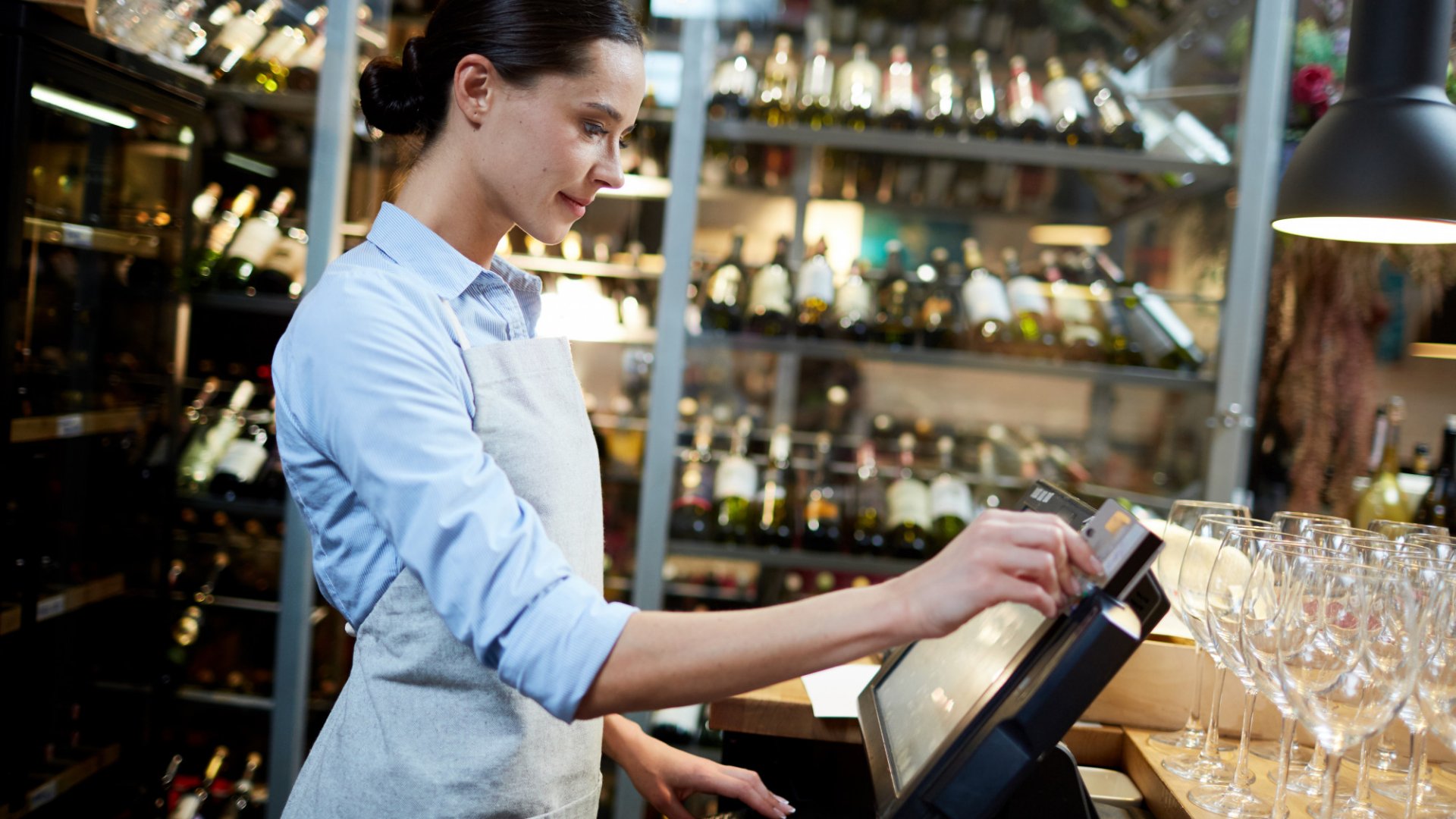
Why Integrated Payments Make EPOS Easier to Manage
in General July 23, 2026
Payment is a small moment for the customer, but it is a major part of how the business runs. Every card transaction needs to match the order, the till total, the daily sales report and the money received. When payments are handled separately from the EPOS system, that simple process can become more complicated than it needs to be.
For hospitality and retail businesses, integrated payments can make a real difference. Instead of staff entering the amount manually into a card terminal, the EPOS sends the correct total directly to the payment device. The transaction is then recorded against the sale, making the process cleaner for staff, customers and managers.
The problem with separate payment terminals
Many businesses still use standalone card terminals. They work, but they rely on staff entering the payment amount by hand. During a quiet shift, that may not seem like a problem. During a busy service, it creates room for mistakes.
A member of staff may type the wrong amount. A payment may be taken but not matched properly to the sale. A transaction may need to be corrected later. These issues are often small, but they can create extra work at the end of the day when totals do not match.
Fewer manual steps
Integrated payments remove one of the most common manual steps in the sales process. Once the order total is confirmed on the EPOS, that amount is sent directly to the card terminal. Staff do not need to key it in again.
This is especially useful in busy pubs, restaurants, cafes, takeaways and retail environments where transactions happen quickly and staff are moving between customers. Fewer manual steps means fewer opportunities for mistakes. It also gives staff one clear process to follow.
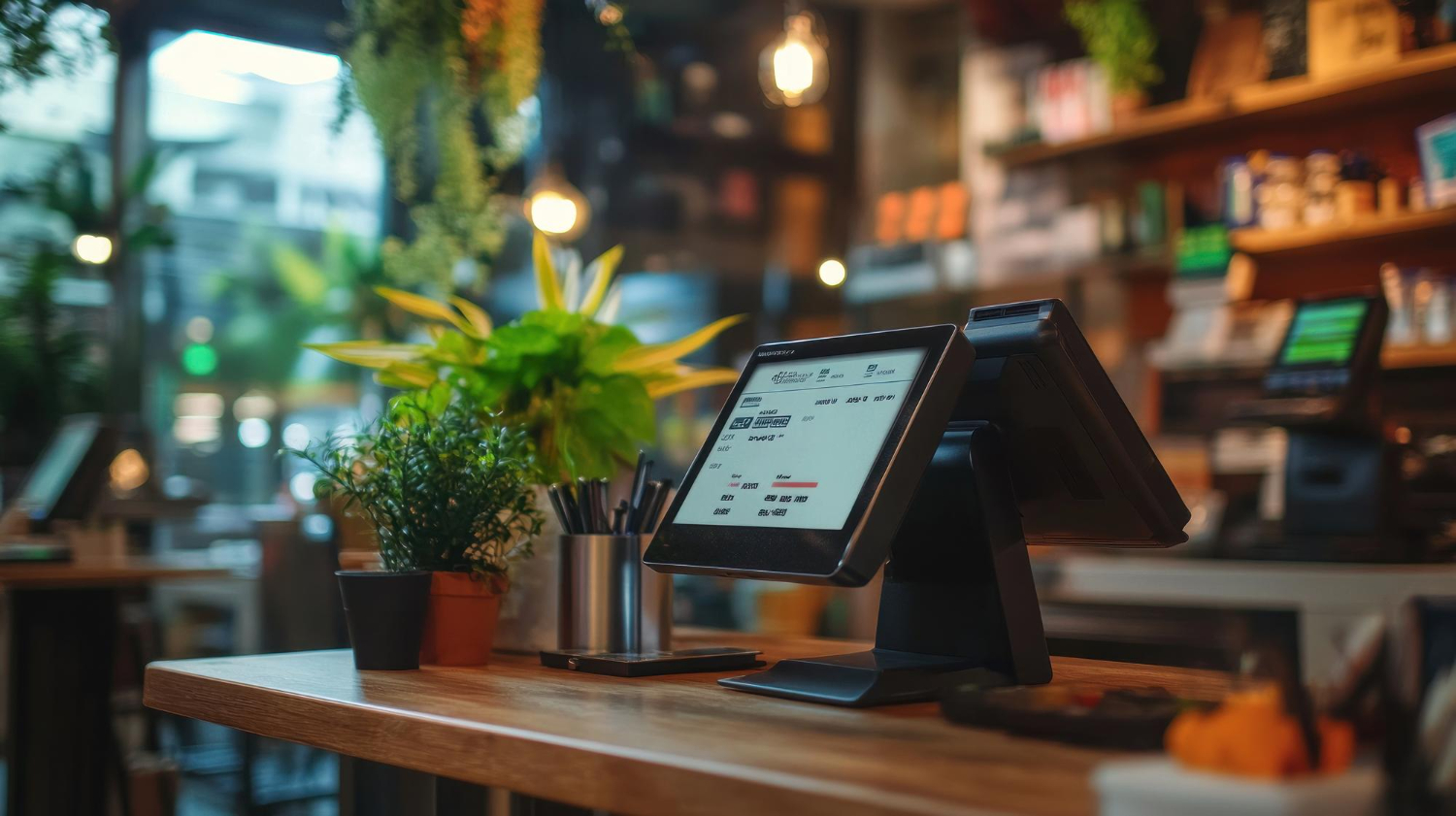
A better customer experience
Customers expect payment to be straightforward. They do not want delays while staff check totals, re-enter amounts or correct mistakes. A connected payment process helps keep the end of the transaction smooth.
In hospitality, this matters at the table, at the bar and at the counter. In retail, it matters when queues are building and customers want to complete their purchase quickly. Integrated payments help make the final stage of the transaction feel more professional and easier to manage.
Cleaner end-of-day reconciliation
Cashing up is one of the biggest areas where integrated payments can help. When card payments are separate from the EPOS, managers may need to compare till reports, card terminal totals and individual receipts to make sure everything matches.
When payments are integrated, the EPOS has a clearer record of what happened. Sales and payments are linked together, making it easier to compare totals, spot discrepancies and understand how the day has traded.
This does not remove the need for proper checks, but it can make those checks more efficient and less dependent on paperwork.
Reducing payment errors
Payment errors can be awkward for staff and frustrating for customers. Overcharging, undercharging or assigning a payment incorrectly can all lead to avoidable problems.
With integrated payments, the correct transaction value is passed from the EPOS to the payment terminal. This helps reduce keying errors and gives the business a more reliable payment trail.
For managers, that can mean fewer corrections to investigate. For staff, it means less pressure at the point of payment. For customers, it means a smoother and more accurate experience.
Useful for split bills and table service
Hospitality payments are not always simple. Customers may want to split the bill, pay separately, add tips or settle part of an order at different times. If the EPOS and payment device are not connected, staff may have to manage those steps manually.
A well-configured EPOS and payment setup can make these situations easier to handle. The key is making sure the payment process follows the way the venue actually works, whether that is counter service, table service, handheld ordering or a mix of different order points.
More accurate reporting
Payment information is a key part of business reporting. Managers need to know how sales were paid, what payment types were used and whether totals match across the day, week or month.
Integrated payments help keep that information connected to the sale. That makes reporting more useful, because sales and payment data are not sitting in separate places.
This can help businesses understand trading patterns, review payment methods and reduce the time spent piecing information together from different systems.
Less pressure on staff
Payment should not be one of the most stressful parts of service. Staff already have plenty to think about, including orders, customer questions, table numbers, product options and timing.
If they also need to manually enter card amounts and double-check every payment, small mistakes become more likely. Integrated payments help simplify the process by reducing the number of separate actions needed to complete a transaction.
That is useful for experienced staff, and even more useful when training new team members.

Better control for managers
Managers need confidence in the numbers. If sales reports and payment reports do not align, time has to be spent finding out why. Sometimes the issue is a genuine discrepancy. Sometimes it is simply the result of systems not being connected properly.
Integrated payments help give managers a cleaner view of transactions. They can see what was sold, how it was paid and where any differences may need attention.
That makes it easier to manage daily trading and reduces the amount of time spent checking avoidable issues after service.
Card payments are part of the EPOS workflow
It is easy to think of card payments as separate from EPOS, but for most modern businesses they are part of the same customer journey. The order is taken, the total is confirmed, the customer pays and the sale is recorded.
If those steps are disconnected, the workflow becomes more fragile. If they are connected, the business has a clearer process from order to payment.
That connection matters whether you run a single till in a small shop or multiple terminals across a busy hospitality venue.
What to review in your current setup
If you are reviewing how payments work in your business, it is worth asking a few practical questions:
- Do staff manually type payment amounts into a separate card terminal?
- How often do card totals and EPOS totals need to be checked manually?
- Are payment errors or corrections causing avoidable admin?
- Can staff handle split bills and table payments easily?
- Are payment types clearly shown in your EPOS reporting?
- Does your current payment setup fit the way your business actually trades?
The answers will usually show whether your payment process is helping the business or creating unnecessary steps.
Integrated payments are about control
The benefit of integrated payments is not just speed. It is control. Staff get a clearer process. Customers get a smoother payment experience. Managers get better information and fewer loose ends at the end of the day.
For hospitality and retail businesses, that can make day-to-day trading easier to manage. Payments are too important to sit outside the main system. When they connect properly with EPOS, the whole process becomes cleaner.
Speak to ACR about EPOS and payment integration
ACR EPOS Systems supports hospitality and retail businesses across Scotland with EPOS software, hardware, payment solutions, back-office reporting and local support.
If your current payment process feels manual, disconnected or difficult to reconcile, it may be worth reviewing how your EPOS and card terminals work together.
Contact ACR to discuss your current setup.